
Providing Compassionate Care:
Person-Centered, Trauma-Informed Care for People Living with Dementia
by Alina Rivlin, Case Manager, Holocaust Survivor Services
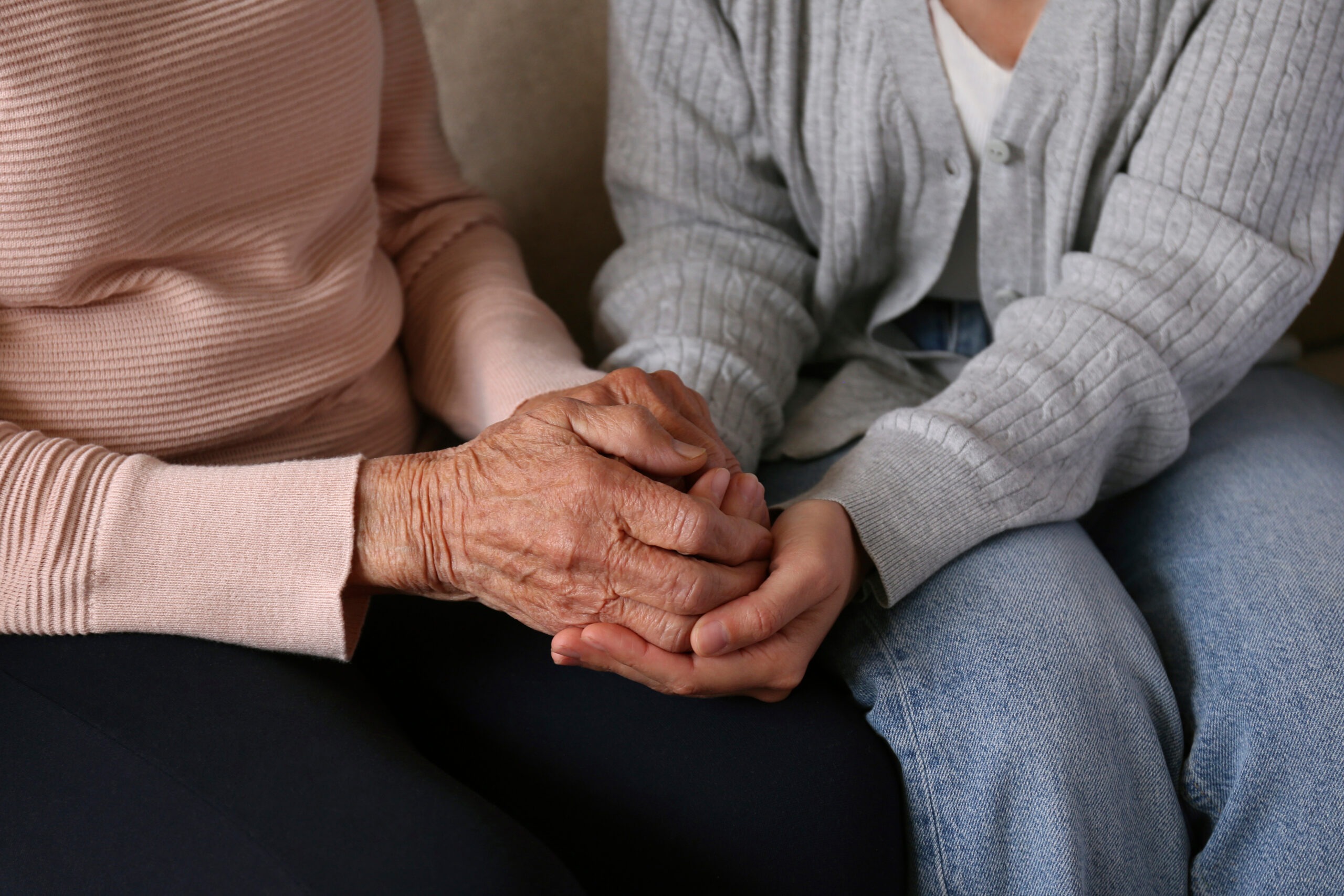
At JFCS, our Holocaust Survivor Services (HSS) team is driven by a singular mission: ensuring that Survivors age with the dignity, comfort, and peace they deserve. Our HSS Program provides essential support through home-care, case management, social events, financial aid, and volunteer support. We seek solutions to challenges that crop up and provide resources that connect, comfort and strengthen our Survivors’ lives.
The HSS team is passionate about continued education, so that we can adapt to the changing needs of our clients. The team recently had the opportunity to attend a training on Person-Centered, Trauma-Informed Care for People Living with Dementia, with a special focus on supporting Holocaust survivors. This training, led by Alana Knoppow, MSW, and hosted by the JCS of Baltimore, emphasized the importance of understanding each individual’s life history and experiences to provide compassionate, respectful care.
One key technique we learned is “Meet Them Where They Are.” For a Holocaust Survivor, living with dementia is more than just memory loss. It can be a “time travel” of sorts. Everyday moments—a running shower, a medical exam, or a siren on the street—can unintentionally trigger memories and evoke fear or distress. The goal of this approach is to avoid re-traumatization by recognizing emotional cues, validating feelings, and adapting care to the person’s current reality rather than forcing orientation to the present.
We recently saw the power of this approach firsthand. A caregiver contacted a case manager for help with a client who becomes very upset around holidays and family gatherings, due to the past trauma of watching his family be killed during the Holocaust. The case manager advised the caregiver not to discuss his family and instead immediately redirect and distract him to prevent re-traumatization. This simple intervention helped reduce distress and restore calm.
Why does this matter? Trauma-informed care acknowledges that behaviors often stem from deep-seated experiences. By slowing down, offering choices, and creating a sense of safety, caregivers can reduce anxiety and build trust. Every interaction is an opportunity to heal, not harm.
For Holocaust survivors—and anyone living with dementia—our responsibility is to provide care that is empathetic, flexible, and rooted in respect for their unique journey.